Michelin is ready to present new solutions for fleet management at the IAA Transportation 2024 in Hannover, Germany.
Michelin Is Offering Solutions for Better Managed, More Efficient, and Safer Fleets
At IAA Transportation 2024, Michelin will present how fleet operators can manage some of the issues that the transport and logistics industry is facing such as rising costs, staff shortages, legal requirements or the climate crisis.
Fleet Management Solutions
From September 17th to September 22nd, 2024, in Hanover, Germany, Michelin will present a comprehensive solution for holistic fleet management at stand B26 in Hall 19/20, combining its high-tech tyres, tyre management, predictive maintenance and networked fleet management, making fleets more efficient.
“The transport and logistics industry plays a key role in shaping the world. For our customers, it is about navigating in the long term in a highly competitive market – profitably, efficiently and sustainably. We are therefore closely at their side to make the fleet fit for the future together,” says Philipp Ostbomk, Vice President of B2B Europa Nord at Michelin.
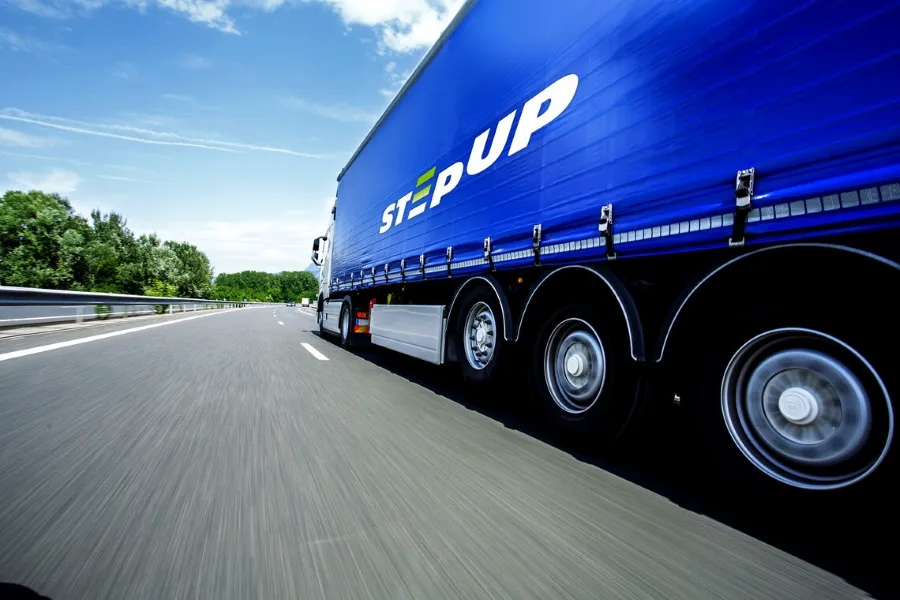
The trade fair motto StepUp – side by side for your sustainable mobility was therefore deliberately chosen: “StepUp is our appeal to all players in the industry: We can only develop solutions for the future together!”
With the StepUp initiative, Michelin is pursuing a holistic approach to balancing economic growth and sustainable mobility. This comprehensive strategy addresses customers’ needs by optimising costs, increasing productivity, ensuring driver safety and improving fleet management. For three decades, Michelin has helped transportation companies achieve their environmental goals and navigate a competitive environment.
More Efficient and Safer Fleets
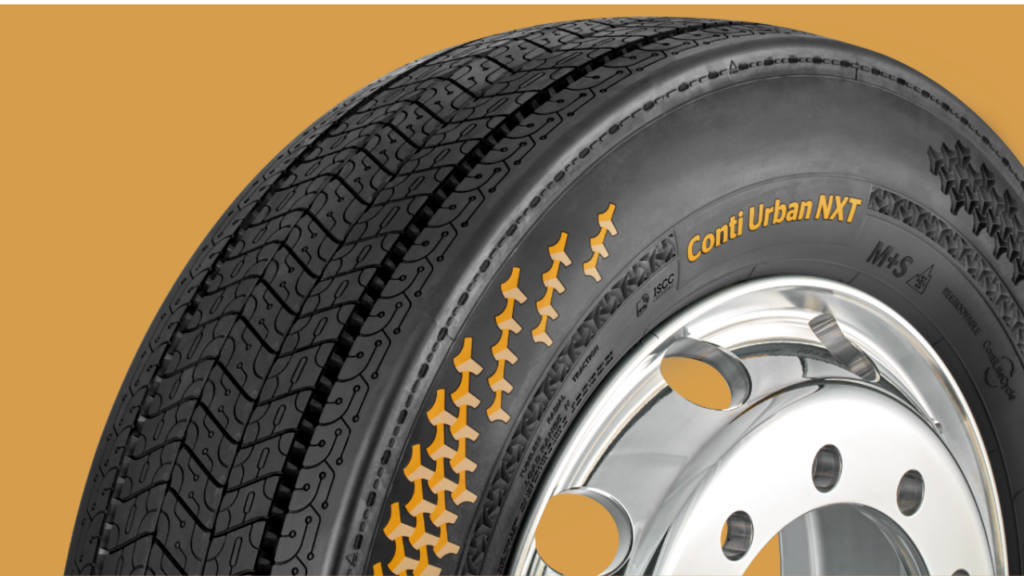
Efficiency, robustness and durability of the tyres all have a direct impact on overall fleet costs, downtime, driver safety and the environment. For example, tyre rolling resistance significantly impacts fuel consumption. Michelin is presenting two new truck tyres at IAA Transportation in Hanover, optimised for rolling resistance and higher fuel efficiency, while improving CO2 emissions.
The tyres are made using the special Michelin Remix hot retreading process and also achieve up to 150% higher mileage. A retreaded truck tyre reduces CO2 emissions by around two-thirds compared to a new truck tyre. “Retreading is an environmentally friendly and resource-saving process – and for us an important component of more sustainable mobility in the transport sector,” says Ostbomk.
Data Analysis
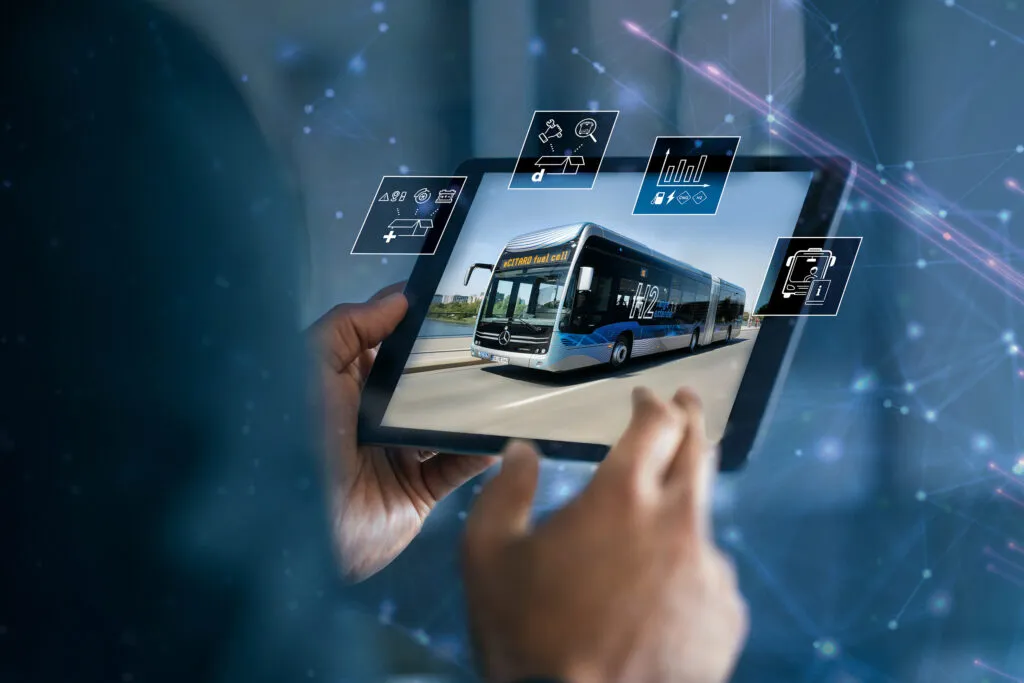
Michelin also aims to support fleet operators in improving their performance. With Michelin Connected Fleet’s data-driven fleet management solutions, users can get a complete, real-time overview of all vehicles in their fleets. This allows them to optimally utilise their fleets, reduce operating costs, increase safety through feedback on driving and improve fuel consumption and CO2 footprint. With solutions like Trailer Premium from Michelin Connected Fleet, fleet operators are also prepared when legal regulations change – for example in tyre pressure monitoring.
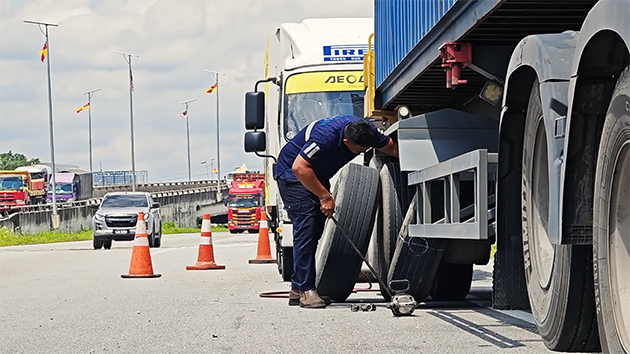
The company will also present Michelin Smart Predictive Tyre, a digital solution that can avoid unnecessary and costly breakdowns and help users plan tyre maintenance. As soon as the pressure or temperature of the tyres deviates from the norm or the tyres wear out, Michelin Smart Predictive Tyre informs fleet operators so that they can react immediately.
Michelin at IAA Transportation
With Symbio, Michelin shows how new drive concepts can pave the way to a sustainable future. In the joint venture with Faurecia and Stellantis, the company is further advancing the industrial use of hydrogen. “For us, hydrogen is a key technology on the path to emission-free mobility,” says Ostbomk. At the end of last year, Symbio opened its first gigafactory for the production of fuel cell systems in Saint-Fons, France. Production capacity there is expected to increase to 50,000 by 2026.
This article was originally published on Commercial Tyre Business.